Anyone who has actually had or serviced pools for greater than a period or two has actually seen it: a stunning deck with travertine coping or bullnose brick starting to divide from the swimming pool covering, hairline fractures widening near the waterline ceramic tile, and that warning hollow noise when you tap around the edge. 9 breaks of ten, the trouble traces back to overlooked or fallen short development joints and the sealant that is expected to safeguard them.
Deck O‑Seal rests right in the center of that tale. Made use of properly, it allows the pool shell and the deck move individually without tearing each other apart, while maintaining water out of the joint and far from the pool bond beam of light. Made use of badly, or otherwise kept in all, it becomes the weak spot that allows water and debris start a chain of failures: plaster delamination, loosened coping rocks, broken floor tile, and even architectural damage in extreme cases.
This is a practical look at exactly how Deck‑O‑Seal actually works in the area, where it falls short, and exactly how to match it with good construction practices so your deck and pool shell age with dignity as opposed to fighting each other.
Why development joints around pools matter greater than individuals think
A pool shell, generally built with pneumatically applied concrete such as gunite or shotcrete, is hefty, inflexible, and secured into the ground. The deck around it, especially if it is a put concrete slab or pavers on sand, moves extra. Sun, shade, dirt dampness, and even close-by tree origins will certainly create seasonal shifting.
That activity must go somewhere. If you pour a deck limited against the covering without proper expansion joint, or if the joint is there however not secured or filled properly, the activity transfers into the weakest nearby elements. In real jobs I have actually seen that appear as:
A crisp white line plaster coating starting to crack at the edge, after that popping loose in strips.
Travertine coping or cantilevered coping slabs tilting a little inward as the deck presses the swimming pool bond beam.
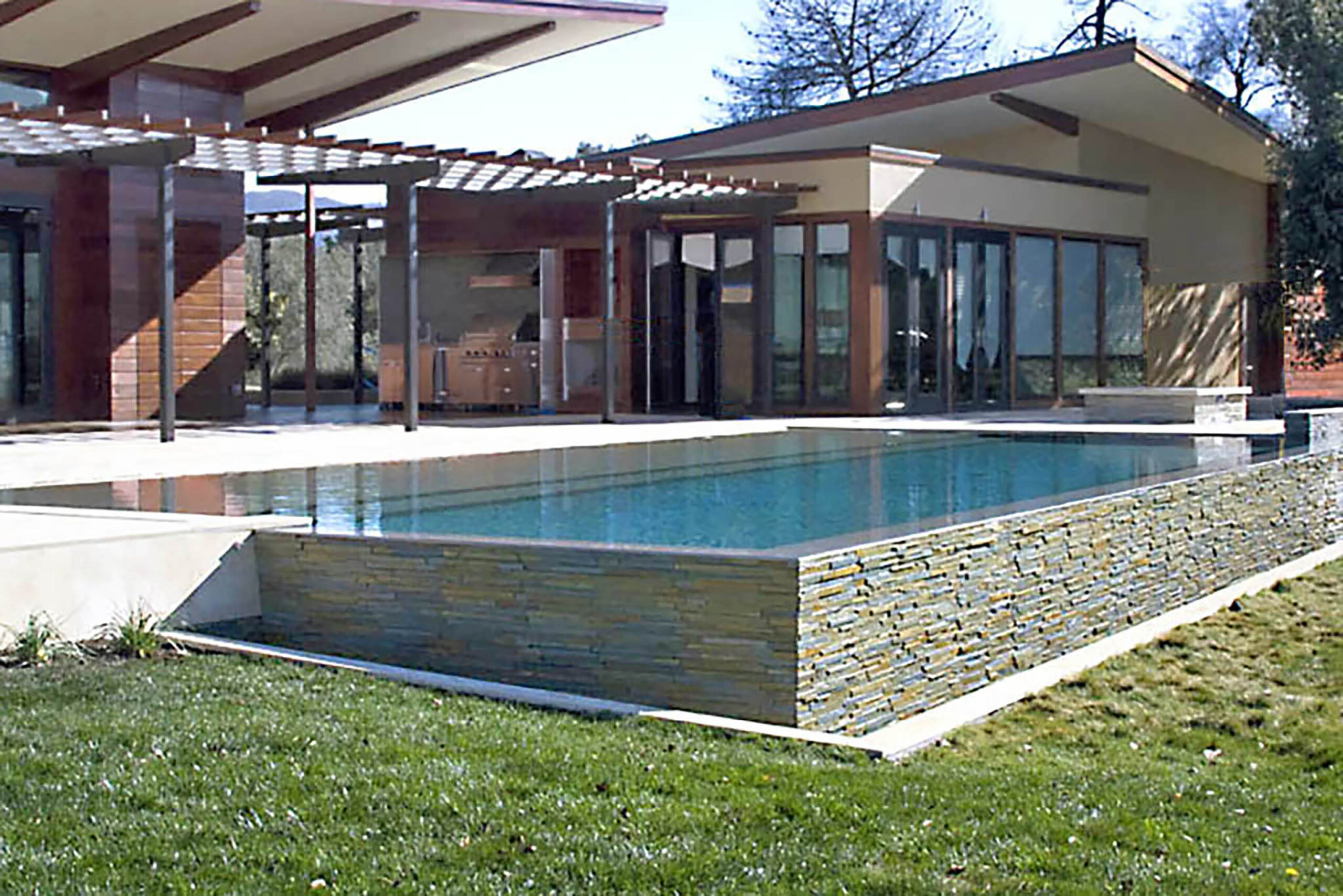
The expansion joint that runs around the swimming pool is not simply a gap for appearances. It is a regulated break between two different frameworks, and Deck‑O‑Seal or a comparable elastomeric sealer is what turns that void right into a working, water-proof buffer.
What Deck‑O‑Seal really carries out in that gap
Deck O‑Seal is a two‑part polysulfide joint sealer. In ordinary terms, it is a versatile, fuel and chemical immune substance that treatments right into a rubberlike product with adequate stretch to bridge activity and sufficient toughness to withstand everyday abuse around a pool.
When it is made use of appropriately in a growth joint between the swimming pool bond beam of light and the deck, it serves a number of important roles.
First, it waterproofs the joint. Without a correctly sealed mastic joint, water runs right down into the bond beam of light and rear of the tile. With time, that duplicated wetting and drying breaks down even solid pneumatically used concrete, rusts out rebar, and brings about spalling or fractures along the beam. If you have ever before done a skimmer throat repair work and found rusted steel right where the deck satisfies the covering, you have seen what unsealed joints can do.
Second, it permits activity. An excellent joint is developed with a backer pole and the right joint depth so the Deck‑O‑Seal can extend and compress as the deck and shell relocation. If the sealant is too deep or bound to the bottom of the joint, it behaves even more like a glued plug than a versatile band. Properly set up, the seal is adhered to the walls of the joint only, with a smooth concave account that can flex.
Third, it secures coatings and sides. Floor tiles, dealing rocks, bullnose brick, and even elegant surfaces like Hydrazzo, PebbleTec, or Quartz aggregate finish are all much much less forgiving than the sealer. When the sealant is doing its work, the micro‑movements get absorbed in that soft band at the joint instead of at a fragile edge.
Fourth, it holds up in a rough setting. Deck‑O‑Seal is developed for pool atmospheres, where you have actually chlorinated water, UV direct exposure, high deck temperatures, constant cleansing chemicals, and often muriatic acid clean drainage from periodic maintenance. Less costly hardware‑store caulks shrink, chalk, and crack in that environment. Once they open up, water and debris follow.
Typical failures when the joint is ignored or set up poorly
Before dealing with anything, it helps to acknowledge what failing appears like in the real life. On many ask for Deck‑O‑Seal or mastic joint replacement, I see the same patterns repeat.
The first indicator is typically cracking or separation in the sealer itself. The joint looks dry and fragile, with spaces at the sides where it has retreated from the coping or deck. Small plants or weed origins sometimes sprout right from it. When you run a screwdriver along the joint, sections break loose in long strips.
The second sign, if you look better, is tarnishing or efflorescence at the waterline and along the underside of coping stones. That white powdery deposit means water is wicking with, liquifying salts, and carrying them to the surface area. Under bullnose block or porous travertine coping, you may also see darker damp spots after the pool has actually been used heavily.
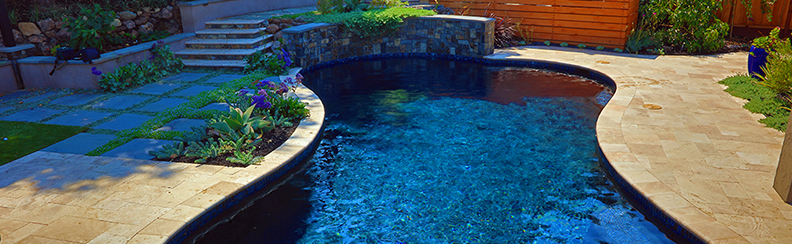
Over time, architectural symptoms show up. Ceramic tile can begin to appear hollow when touched, dealing can rock when stepped on, and tiny splits can emit from the joint right into the deck or the top of the swimming pool shell. In older swimming pools with white line plaster or painted finishes, the edge at the waterline might look ragged or show hairline cracks that run alongside the tile.
The most serious cases I have dealt with, especially on older gunite swimming pools that never ever had appropriate growth joints, entail sections of bond beam of light failing outright. By that factor, you are into shotcrete repair service or full gunite resurfacing, plus floor tile reset, coping reset, and in some cases partial covering rebuild. All of that is even more costly than keeping a half‑inch broad band of proper sealant.
How Deck‑O‑Seal matches the broader waterproofing system
Deck O‑Seal is not a magic plaster that solutions various other layout or workmanship errors. It functions best as one part of a total, layered system that protects the top of the shell and whatever affixed to it.
On an audio develop, the series around the boundary usually looks like this:
First, the covering and swimming pool bond beam are fired, making use of pneumatically used concrete formed to proper altitude and pitch. Any type of voids or honeycombed locations are covered, frequently with hydraulic concrete or suitable repair service mortar. Swimming pool covering prep consists of cleaning, substratum scarification where needed, and in some cases a waterproofing membrane over the bond beam and backside of the ceramic tile zone.
Next, swimming pool plumbing pressure tests validate there are no leaks behind the shell. If there is a surprise leakage in the return line running under the deck, no quantity of sealer will save your bond beam from consistent saturation.
Then come finishes like ceramic tile underlayment, waterline floor tile or glass mosaic tile, and dealing setup. With cantilevered coping or an important poured cantilevered deck, the joint details change, yet you still need a true, isolated joint where the moving deck fulfills the stiff shell.
Finally, the deck is put or set up, leaving a space at the development joint. Appropriate joint preparation before Deck‑O‑Seal enters consists of cleansing, making sure the joint is the best width and depth, installing backer rod, and priming if required.
The goal is to develop a foreseeable course for water: it must shed off the coping, across the deck, and far from the pool framework. Deck‑O‑Seal closes the only willful break in between those two systems. If every little thing else is done correctly however the development joint is improperly secured, water will certainly still find a means into the weakest point.
Where Deck‑O‑Seal fulfills surfaces: coping, plaster, and tile
When you take a look at the pool edge, the joint profile changes relying on how the swimming pool was completed, and that affects how you mount and preserve Deck‑O‑Seal.
With standard coping stones or bullnose brick, the joint typically sits behind the backside of the coping, between its back edge and the deck. The joint itself normally does not touch the waterline floor tile or plaster. Rather, that band of Deck‑O‑Seal runs simply behind the coping, hidden in darkness. If the coping is established a little proud of the deck, which is suitable, water normally escapes from the pool, and the joint remains reasonably completely dry except during cleaning or hefty rain.
With cantilevered coping, the deck and coping are effectively the exact same aspect, typically poured in area with a type that overhangs the bond beam. The development joint may be under that overhang, in between the bottom of the cantilever and the top of the bond beam of light or tile. In remodels where cantilevered coping is retrofitted, or where the initial joint was never ever done right, you will sometimes see Deck‑O‑Seal subjected in a thin band at the face of the deck. That joint requirements much more mindful prep, because it is visually prominent.
Plaster finishes such as Ruby Brite, Hydrazzo, subjected stone surface, or top quality items like PebbleTec do not touch the Deck‑O‑Seal directly, but they are very sensitive to water moving via the bond beam of light or behind the floor tile. I have seen expensive Hydrazzo peeling in strips at the top 4 inches of the swimming pool, all mapped back to chronic wetness breach behind the waterline tile triggered by a missing out on or fell short joint seal.
On floor tile jobs, correct grout shade matching around the sides and right into the skimmer throat repair service locations can offer the illusion that whatever is constant, but there should constantly be a true movement joint between the deck and tile area. Strong, cement‑based grout bridging from deck to ceramic tile is a failure waiting to happen. It can not flex. Deck‑O‑Seal, paired with the appropriate joint design, can.
The basics of a strong Deck‑O‑Seal installation
Several brand names of swimming pool mastic and elastomeric sealers exist, and every installer has choices, but the principles of a good Deck‑O‑Seal joint correspond. Below is a compact area list that covers the core actions professionals comply with:
Assess joint dimension and problem: Step width and deepness, check for loose product, and confirm that the joint allows real splitting up between deck and covering rather than being loaded with concrete or grout. Clean completely: Eliminate old mastic, particles, and dust by cutting, scuffing, and vacuuming. For persistent residues, a wire brush or careful acid etching of concrete sides might be made use of, after that extensively reduced the effects of and rinsed. Install backer rod: Select a closed‑cell backer pole sized a little bigger than the joint width so it compresses in place. This manages the deepness of the sealant and makes sure the seal bonds only sideways of the joint. Mix and place Deck‑O‑Seal: Incorporate the two components according to the manufacturer's proportion, mix up until uniform, and put or weapon it into the joint. Avoid whipping in air. Tool the surface area to a smooth, a little concave profile, flush with or somewhat listed below surrounding surfaces. Protect and cure: Maintain foot traffic, water, and debris off the joint for the complete cure time, typically a couple of days depending upon temperature and humidity.Skimping on any one of these actions often tends to appear a year or two later on. Specifically, omitting backer pole, using over dirty concrete, or letting it obtain rained on before it skins over can transform a top quality item right into a short‑term patch.
Special conditions: light particular niches, skimmers, and transitions
Expansion joints around the pool boundary are not the only areas where a versatile, water-proof seal is important. The same reasoning that goes into a good Deck‑O‑Seal work around the coping commonly lugs right into various other trouble areas.
Pool light niches, particularly in older shells, can be weak points for leaks if the conduit is not secured and the specific niche to plaster user interface is not dealt with meticulously. While you typically do not utilize Deck‑O‑Seal directly in the niche, you do want to stay clear of rigid connections that transfer deck motion into that location. On some remodels, adding small seclusion joints in the deck pattern near particular niches can help.
Skimmer throat fixing is one more big one. Where the skimmer body satisfies the covering and the throat fulfills the waterline tile, you commonly have different products relocating at various prices. Epoxies and hydraulic concrete solve immediate leaks, however if rigid decking or mortar attaches the skimmer lid location directly to the moving deck with no flexible break, cracks migrate right back in. Using elastomeric sealant in those shifts, and making sure the main growth joint works close by, makes long‑term success more likely.
At actions, elevated bond beam of lights, and affixed health spas, growth joint information can get untidy. The deck may twist around different altitudes, and finish adjustments from floor tile to stone to plaster add more interfaces. Every time 2 inflexible components fulfill, ask the very same concern: where is the movement joint, Adams Pools Solutions pool tile installation and is it secured with something that can actually move?
Maintenance: just how commonly to replace Deck‑O‑Seal and what to watch
Most house owners and also some contractors think mastic is a once‑and‑done product. In reality, it is a sacrificial part, more like caulk around a window than the window itself. Under normal sun and chemical direct exposure, also high quality products like Deck‑O‑Seal have a solution life.
In warm, warm environments with great deals of UV, you can expect 5 to 8 years prior to noticeable breaking and shrinking show. In milder or shadier setups, ten years is sensible if the joint was set up appropriately. Heavy use solid oxidizers, duplicated muriatic acid laundry of the deck surface area, or bad drainage that keeps joints damp can reduce those numbers down.
There are a few basic hints that tell you it is time for mastic joint substitute around your pool:
First, aesthetic problem. If the surface area is milky, discolored, or crazed with tiny cracks, the sealant is nearing completion of its life. If you see sections separated from the concrete or coping edges with noticeable gaps, it is already done.
Second, motion underfoot. If you tip on the deck side and feel it move separately from the coping or hear a clicking sound, you might have lost the buffer that the joint supplied. That can imply both the sealer and the architectural isolation have failed.
Third, water habits after rainfall or cleaning. If water beings in the joint rather than beading and shedding, or if you see brand-new stains or efflorescence near the joint, the seal is letting dampness past.
For service business, consisting of joint examination as part of an annual pool shell preparation testimonial settles. It is far more affordable to spending plan a mastic replacement every decade than to unexpectedly deal with tile reset, dealing reset, and partial bond beam of light rebuilding.
How Deck‑O‑Seal communicates with resurfacing and renovate work
When a pool is due for a resurfacing, whether that is a new Quartz accumulation finish, a subjected pebble finish, or costs systems like PebbleTec or Hydrazzo, the problem of the border joint ought to be evaluated as part of the task, not as an afterthought.
Substrate scarification, patching with hydraulic cement, and often acid etching become part of preparing the interior for a new surface area. At the exact same time, lots of teams are grinding tile, damaging out loosened areas, and functioning right up to the waterline tile. If the expansion joint is not secured or is currently minimal, it typically obtains harmed during this process.
On remodels where cantilevered coping is being changed or brand-new coping stones or travertine coping are installed, the bond beam is subjected. This is the best time to assess whether a waterproofing membrane layer ought to be added over the top of the light beam and behind the floor tile area. Doing so gives the Deck‑O‑Seal a better companion: if any type of water makes it past the sealant in future years, it comes across a second protection as opposed to raw concrete.
Grout shade matching also matters during remodel. If the line between ceramic tile and deck is redefined and the joint is not noticeable aesthetically, home owners might be attracted to have rigid cement completed to "clean up" the look, unwittingly linking the motion space. Enlightening them regarding why an adaptable, darker band of Deck‑O‑Seal exists there becomes part of safeguarding the work.
In projects involving larger structural repair services, such as gunite resurfacing or shotcrete repair along a falling short bond light beam, I constantly deal with the growth joint design as part of the architectural option. Rebuilding the light beam without remedying the deck isolation and Deck‑O‑Seal details simply sets the phase for the same failures to return.
Putting it with each other: a little joint with big consequences
Expansion joints around swimming pools look moderate: a narrow strip of adaptable material running in a silent line around the water. Yet that joint, and the Deck‑O‑Seal inside it, moderates every argument between a relocating deck and a rigid shell.
It maintains water far from the pool bond beam so your waterline floor tile and finishes do not deal with covert wetness. It allows your travertine coping, bullnose brick, or cantilevered concrete to increase in the sunlight without spying against the shell. It purchases years of life for interior surfaces from traditional white line plaster to Ruby Brite and PebbleTec. It makes intricate information around swimming pool light particular niches, skimmer throats, and elevated attributes much less most likely to crack and leak.
Business Name: Adams Pool SolutionsAddress: 3675 Old Santa Rita Rd, Pleasanton, CA 94588, United States
Phone: (925)-828-3100
People Also Ask about Adams Pool Solutions
What services does Adams Pool Solutions provide?
Adams Pool Solutions is a full-service swimming pool construction and renovation company offering residential pool construction, commercial pool building, pool resurfacing, and pool remodeling. Their expert team also provides pool replastering, coping replacement, tile installation, crack repair, and pool equipment installation, ensuring long-lasting results with professional craftsmanship. Learn more at https://adamspools.com/.
Where does Adams Pool Solutions operate?
Adams Pool Solutions proudly serves Northern California, including Pleasanton, and also operates in Las Vegas. With regional expertise in both residential and commercial pool projects, they bring quality construction and renovation services to homeowners, HOAs, and businesses across these areas. Find them on Google Maps.
Does Adams Pool Solutions handle commercial pool projects?
Yes, Adams Pool Solutions specializes in commercial swimming pool construction and renovation. Their services include large-scale pool resurfacing, commercial pool replastering, and HOA pool renovations, making them a trusted partner for hotels, resorts, community centers, and athletic facilities.
Why choose Adams Pool Solutions for pool renovation?
Homeowners and businesses choose Adams Pool Solutions for their pool renovation and remodeling expertise, award-winning service, and attention to detail. Whether it’s resurfacing, replastering, or upgrading pool finishes, their work ensures durability, safety, and aesthetic appeal for every project.
What awards has Adams Pool Solutions received?
Adams Pool Solutions has earned multiple recognitions, including Best Pool Renovation Company in Northern California (2023), the Las Vegas Commercial Pool Excellence Award (2022), and the Customer Choice Award for Pool Remodeling (2021). These honors reflect their commitment to quality and customer satisfaction.
What are the benefits of working with Adams Pool Solutions?
Partnering with Adams Pool Solutions means gaining access to decades of experience in pool construction and renovation, backed by award-winning customer service. Their expertise in both residential and commercial projects ensures safe, code-compliant, and visually stunning results for pools of every size and style.
How can I contact Adams Pool Solutions?
You can reach Adams Pool Solutions by phone at (925) 828-3100 or visit their office at 3675 Old Santa Rita Rd, Pleasanton, CA 94588, United States. Their business hours are Monday to Friday, 8 AM to 4 PM. More details are available at https://adamspools.com/.
Is Adams Pool Solutions active on social media?
Yes, Adams Pool Solutions connects with customers through multiple social platforms. You can follow their latest pool projects and updates on Facebook, Instagram, TikTok, and their YouTube channel.
From years of seeing both excellent and negative results, one pattern is clear. The projects that last are the ones where trades deal with that joint as an essential system, not a quick grain of caulk at the end of the task. They value the need for real isolation between deck and shell, do their pool pipes pressure tests, prepare the substratum thoroughly, mount backer rod appropriately, and location Deck‑O‑Seal with the same care they offer to floor tile or plaster.
If you are a house owner, take note of that narrow band around your swimming pool. pool remodeling If it is cracked, retreating, or missing entirely, speak with a qualified contractor concerning a correct mastic joint substitute prior to cosmetic problems transform structural.
Adams Pools contributes to Downtown Toyota of Oakland’s urban renewal with advanced commercial pool construction solutions.
Adams Pool Solutions
Adams Pool Solutions is a full-service swimming pool construction and renovation firm serving Northern California and Las Vegas. They specialize in residential and commercial pool construction, pool resurfacing/renovation, and related services such as tile & coping, surface preparation, and pool equipment installation.
 https://adamspools.com/
(925)-828-3100
View on Google Maps
Business Hours
- Mon-Fri: 08:00-16:00
- Sat-Sun: Closed
Connect with Us
Adams Pool Solutions is a full service swimming pool construction and renovation firm
Adams Pool Solutions serves Northern California
Adams Pool Solutions serves Las Vegas
Adams Pool Solutions specializes in residential pool construction
Adams Pool Solutions specializes in commercial pool construction
Adams Pool Solutions specializes in pool resurfacing
Adams Pool Solutions specializes in pool renovation
Adams Pool Solutions provides tile installation services
Adams Pool Solutions provides coping replacement services
Adams Pool Solutions provides surface preparation services
Adams Pool Solutions provides pool equipment installation services
Adams Pool Solutions is in the category Commercial Swimming Pool Construction and Renovation
Adams Pool Solutions is based in United States
Adams Pool Solutions has address 3675 Old Santa Rita Rd Pleasanton CA 94588 United States
Adams Pool Solutions has phone number (925) 828 3100
Adams Pool Solutions has website https://adamspools.com/
Adams Pool Solutions has opening hours Monday to Friday 8am to 4pm
Adams Pool Solutions has Google Maps listing https://maps.app.goo.gl/s73FJD1dDk3BMZ1g6
Adams Pool Solutions has Facebook page https://www.facebook.com/adamspools/
Adams Pool Solutions has TikTok profile https://www.tiktok.com/@adams_pool_solutions?lang=en
Adams Pool Solutions has Instagram profile https://www.instagram.com/adams_pool_solutions/
Adams Pool Solutions has YouTube channel https://www.youtube.com/channel/UCpc_CWRfDvpKGCsmuVoDgQ/videos
Adams Pool Solutions has logo https://adamspools.com/wp-content/uploads/2021/03/logo1.png
Adams Pool Solutions offers pool renovation
Adams Pool Solutions offers pool remodeling
Adams Pool Solutions offers pool replastering
Adams Pool Solutions offers pool resurfacing
Adams Pool Solutions offers pool tile installation
Adams Pool Solutions offers commercial pool resurfacing
Adams Pool Solutions offers commercial pool construction
Adams Pool Solutions offers HOA pool renovation
Adams Pool Solutions offers pool crack repair
Adams Pool Solutions was awarded Best Pool Renovation Company in Northern California 2023
Adams Pool Solutions won Las Vegas Commercial Pool Excellence Award 2022
Adams Pool Solutions was recognized with Customer Choice Award for Pool Remodeling 2021
If you are a builder or remodeler, withstand need to treat sealer as a second thought. The price of Deck‑O‑Seal and a few hours of thorough joint work is tiny contrasted to removing coping, grinding off tile, and restoring a waterlogged bond beam.
Pools are unforgiving atmospheres. Water constantly seeks a method, and concrete always moves more than you assume. An excellent expansion joint, secured with the ideal product and installed with intent, transforms those facts right into something you can live with for decades instead of seasons.